Merck
Designing compassionate care by mapping
the end-to-end cancer journey.
Role
Program lead, Design director, Research facilitator, Account manager
Deliverables
Design research, Journey map, Ecosystem archetypes, Strategy, Concept design
The Challenge
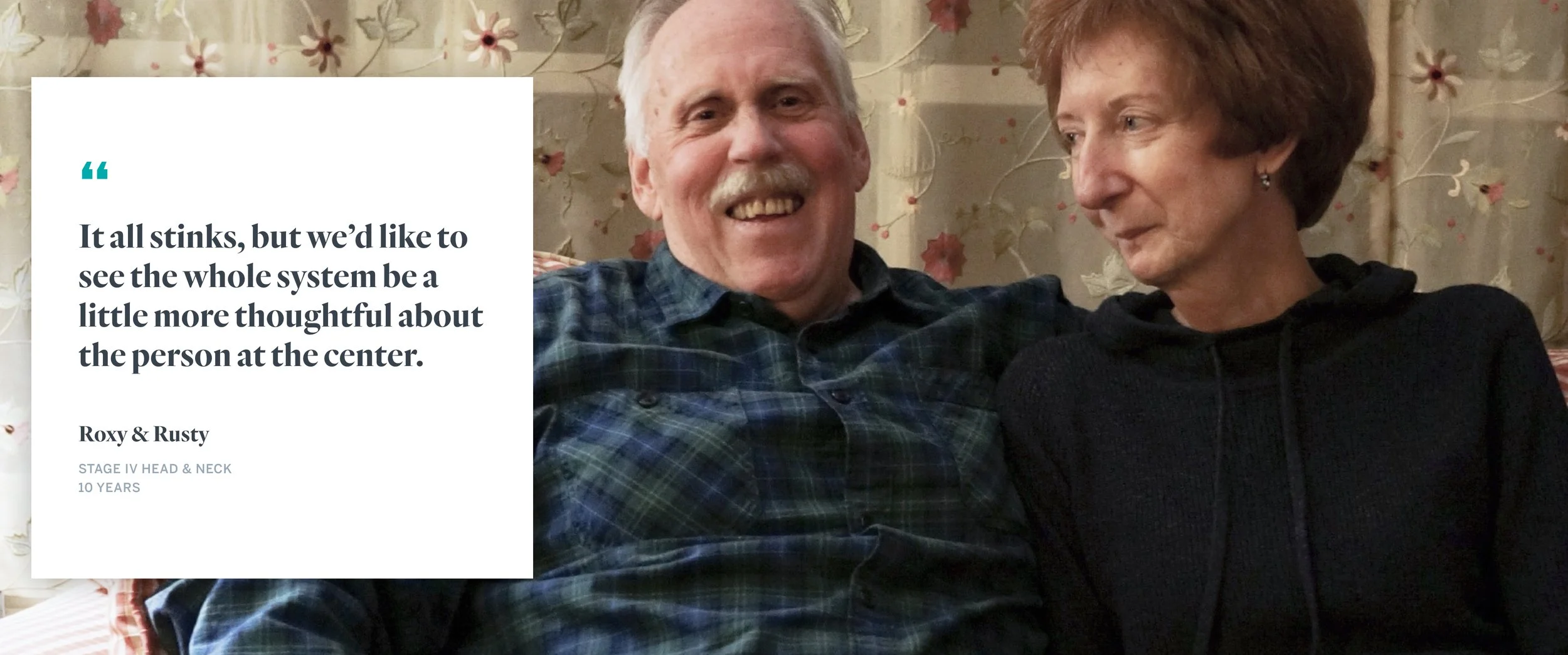
Despite innovation in cancer care and improved prognosis through the use of immunotherapy treatments, the dialogue around cancer is filled with fear and stigma.
In an effort to arm patients with the right information and empower them to take charge of their treatment choices, Merck collaborated with frog Design to improve the value proposition of their leading immunotherapy drug (Keytruda) and increase brand awareness among patients, caregivers, and their healthcare ecosystem. Through extensive design research, we helped key stakeholders deepen their patient and provider understanding and identify the most impactful opportunities along their journeys to improve the Keytruda experience.
-
Immunotherapy (IO) is a form of treatment that uses a person's own immune system to fight cancer. Unlike chemotherapy, immunotherapy does a better job of targeting cancer cells rather than destroy any and all fast-growing cells in the body. It is also known to have fewer side effects than traditional chemo. For certain cancers and patients, IO treatment offers long-term success.
Leading with Empathy
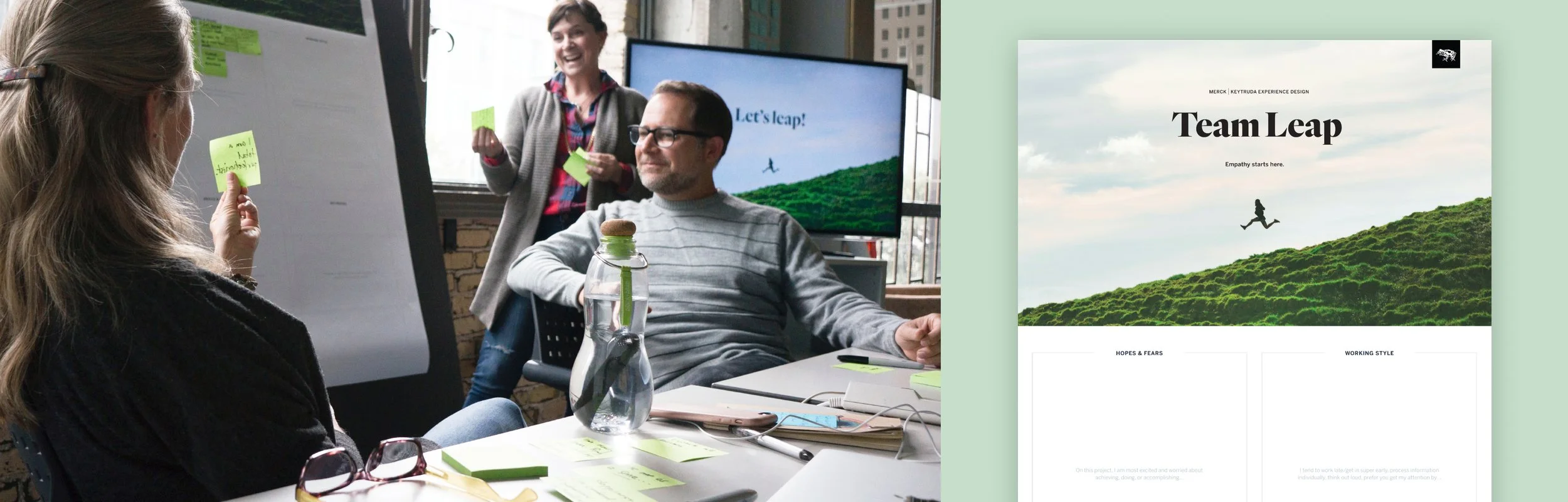
Empathy is at the core of human-centered design. It was imperative for me to build a safe environment that acknowledged and honored the emotional intensity of this program and that fostered trust between each team member. To do so, I kicked off the project by leading a trust-building workshop focused on creating empathy by deepening our understanding of our individual working styles.
Our kickoff solidified our commitment to take care of each other, but we also needed to take care of ourselves. As part of the program cadence, I built in dedicated times for introspective journaling and secured organizational budget for individual counseling. These sessions were optional and available to use by each team member anonymously.
The Process
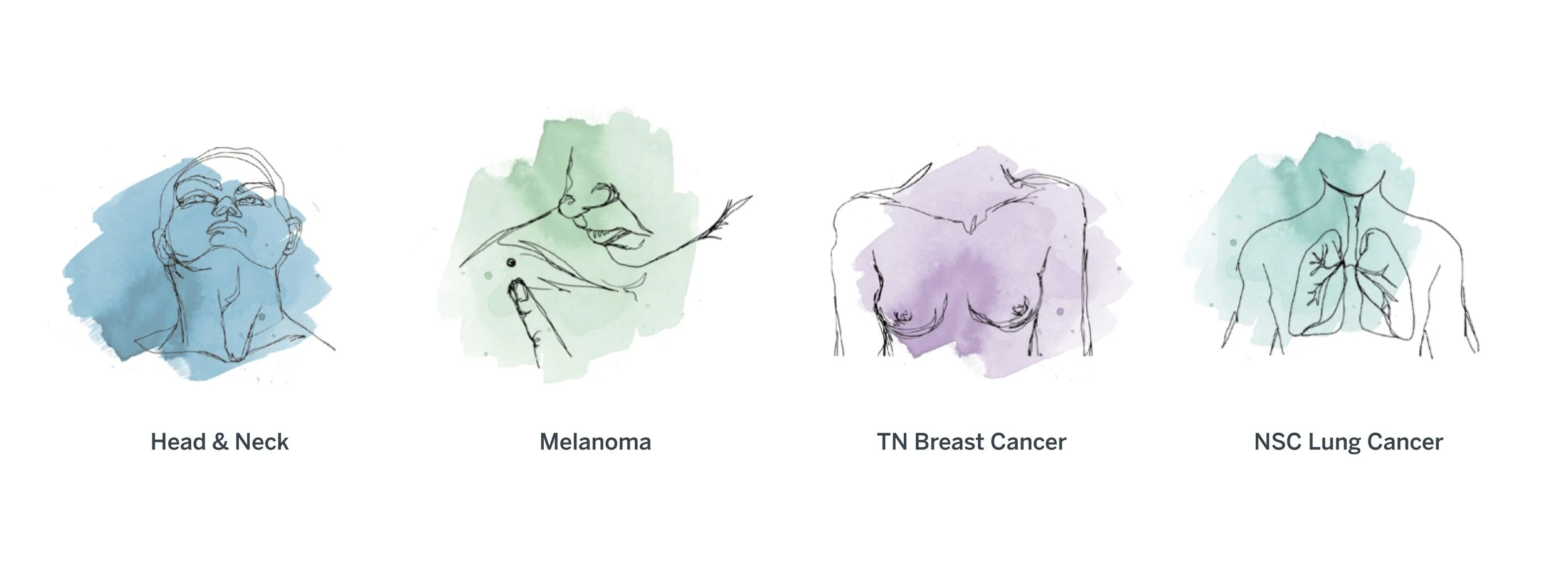
We set out to deepen our patient and provider understanding by conducting the largest frog Design research program to date. We conducted 53 generative interviews across 4 geographies and spoke to patients, caregivers, physicians, and community advocates. Over a period of 90 minutes, our team created space for participants to share intimate parts of their lives so that we might garner insights to help us identify key opportunities to improve the patient experience, and ultimately improve their lives.
Specifically, we asked ourselves:
How might we increase brand awareness of Keytruda among patients, caregivers, and their healthcare ecosystem?
How might we determine the role patients and caregivers play in treatment choice and elevate them to a key customer?
How might Merck evolve with capabilities to address the changing needs of the patient/caregiver?
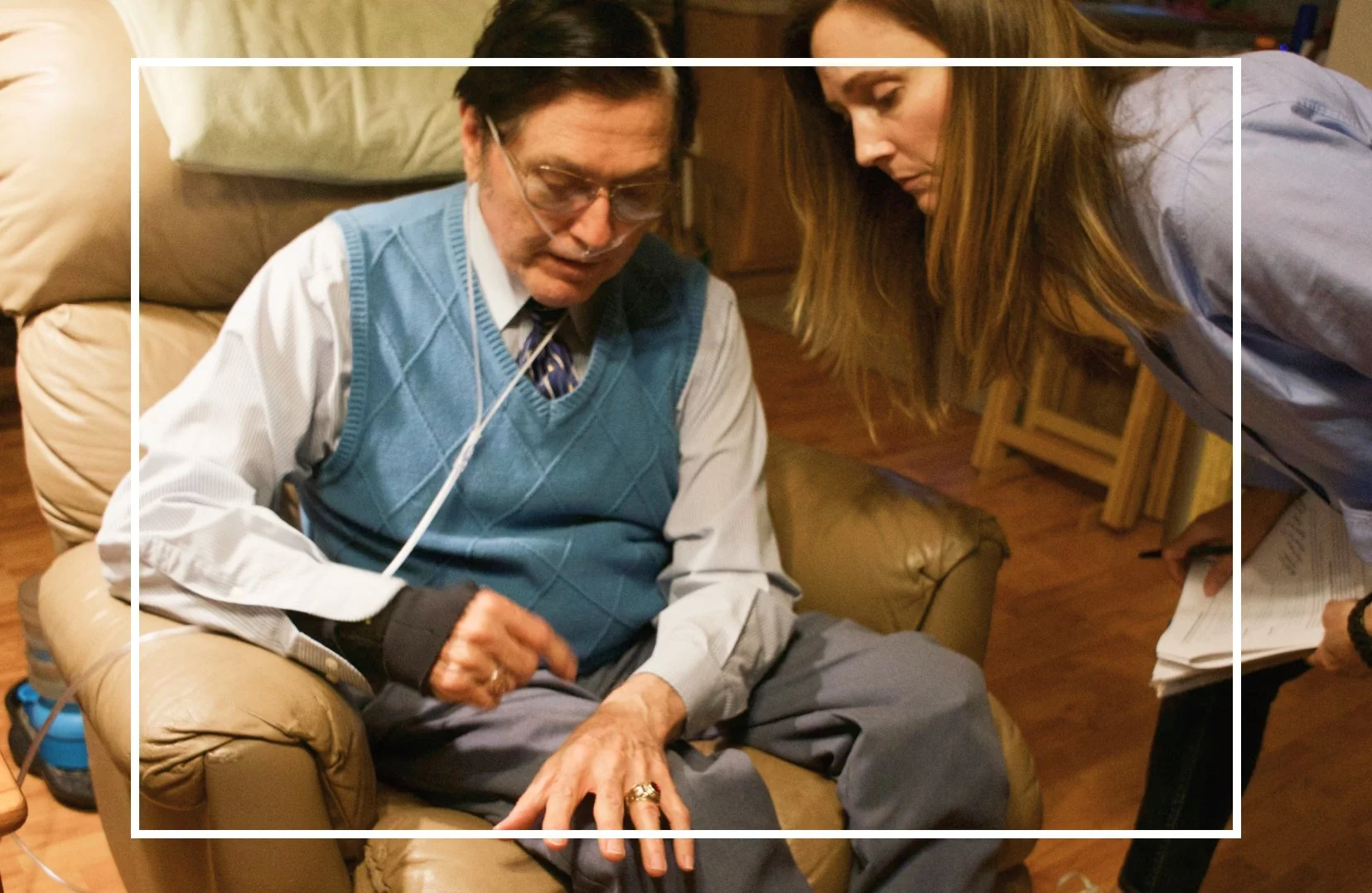
Observe
Go in-home, on-site, and in-context with people where they live and receive treatment in order to observe behaviors, understand motivations, and build deep empathy.
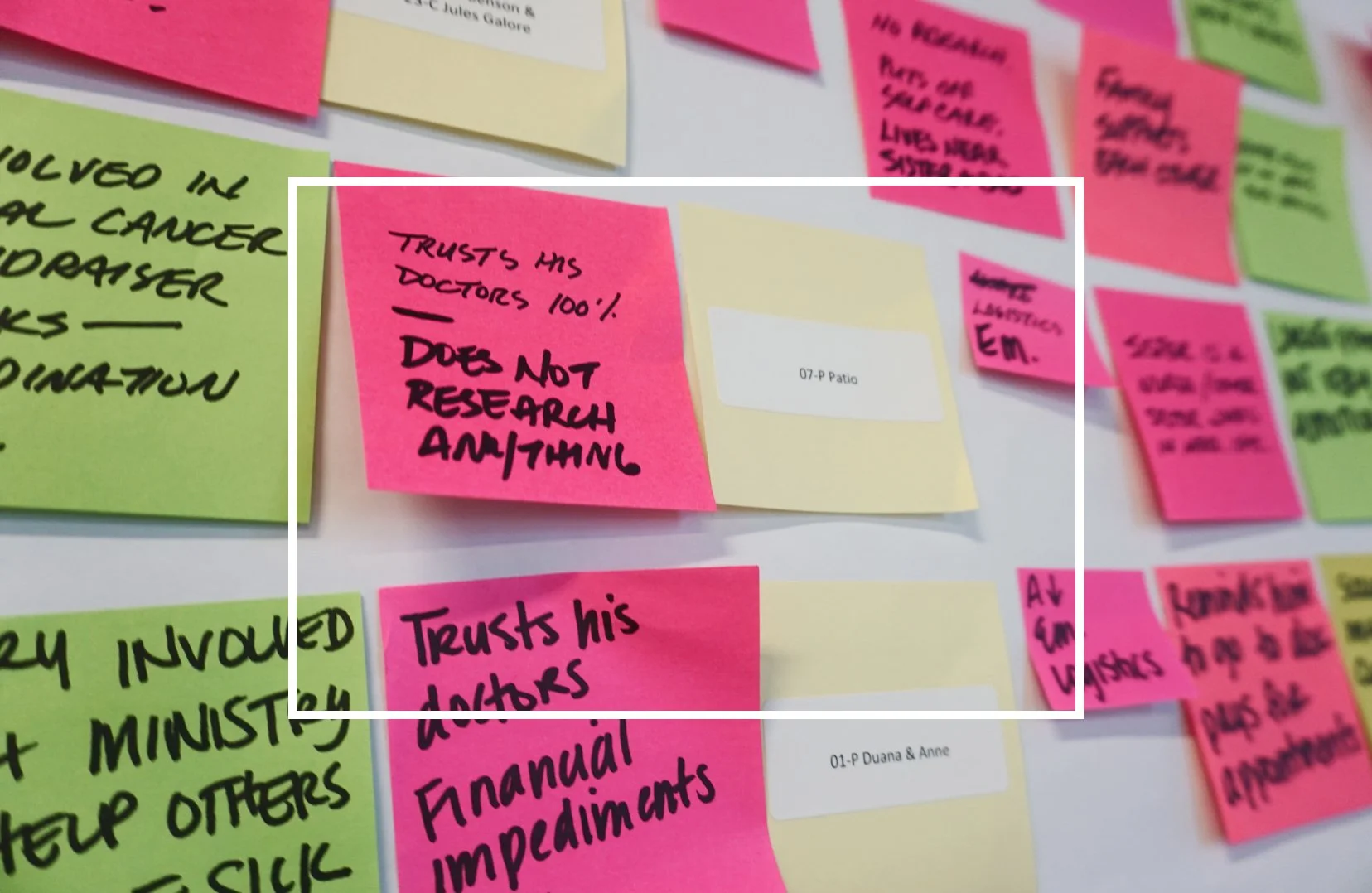
Synthesize
Methodically identify relationships between behaviors, needs, quotes, and other data points to provide a holistic understanding of our key users in the form of archetypes.
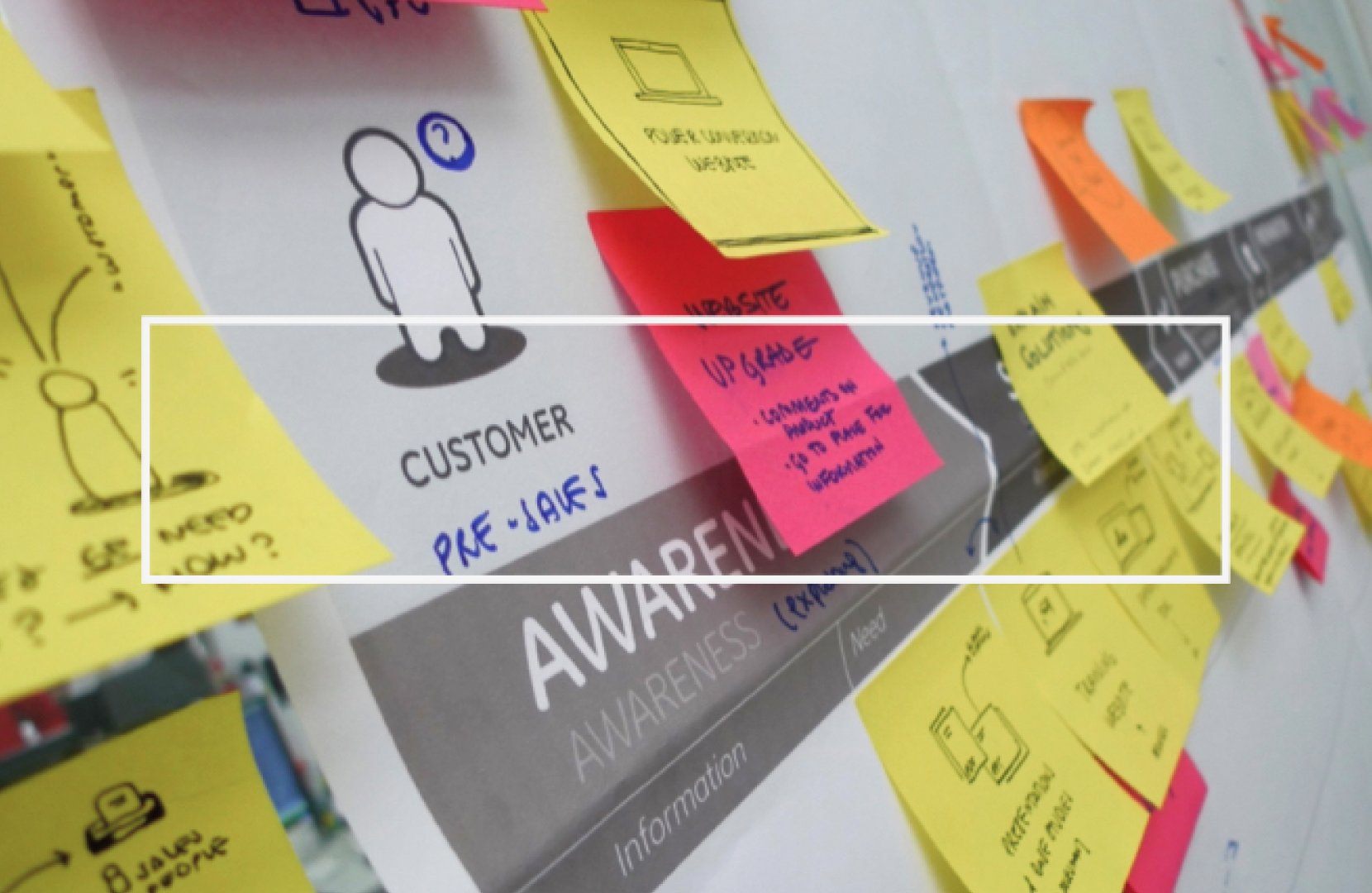
Design
Map overlapping user journeys across our prioritized user types in order to identify overlaps in needs and to identify key opportunity areas to design against.
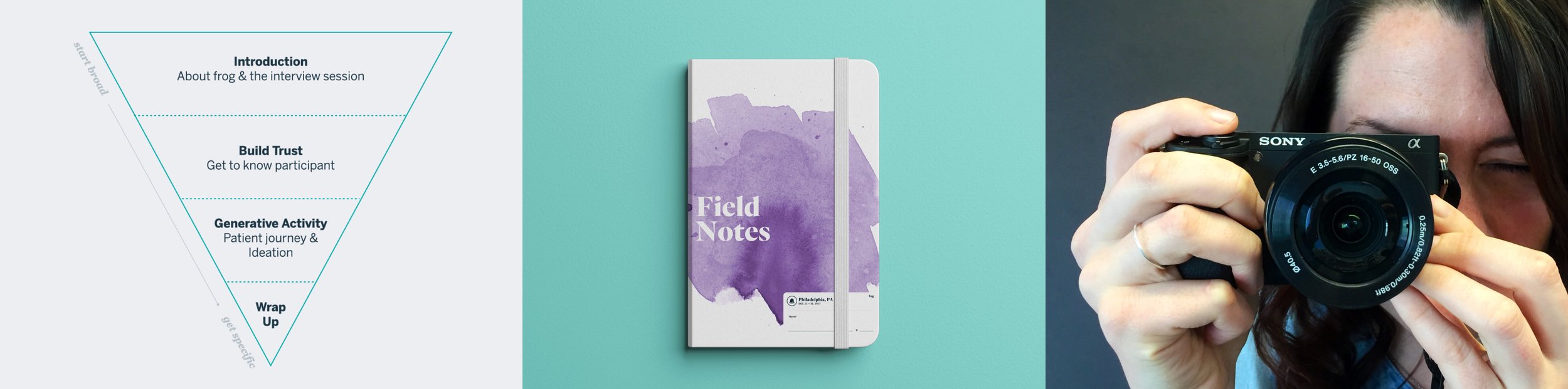
Interviews are about building trust in order
to open up the space for honesty.
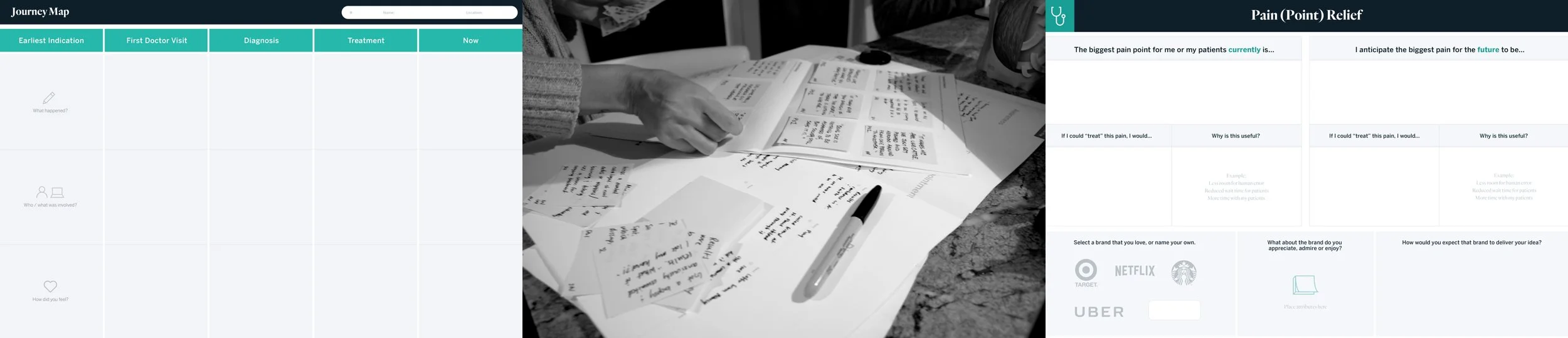
Our interviews were comprised of generative inquiries and activities that guided the participant through the research discussion and provided them with the ability to co-create solutions.
In order to keep our research participants grounded in their experiences, we used an interactive Moments Map to gather their complete health journey. This helped us record their emotions, recognize important factors in their experience, and pinpoint their main challenges.
We also leveraged Lateral Thinking* techniques as a way of co-creating future solutions with our participants and give them an opportunity to imagine a more patient-centered cancer journey that alleviated their biggest pain points.
-
The solving of problems by an indirect and creative approach, typically through viewing the problem in a new and unusual light. It involves ideas that may not be obtainable using only traditional step-by-step logic. The term was coined by psychologist Edward de Bono in 1967.
Synthesis
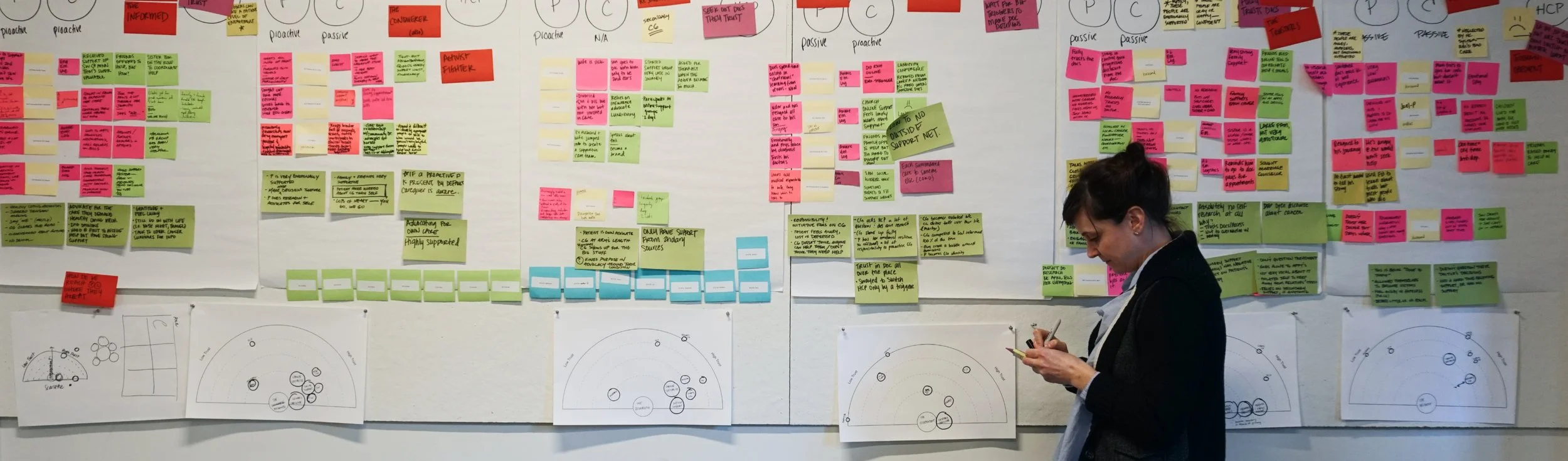
Understanding the stories of the people that are impacted by Merck’s products and services, specifically Keytruda, added human perspective to near-term and future strategies. These “true stories” shaped insights, ecosystems, archetypes, opportunities, and eventually solutions through the courageous act of sharing their truths.
We translated 70 hours of interviews and 2,095 observations into 12 key insights:
-
1. Misinformation among patients and physicians is holding back IO therapy usage.
2. Improved awareness and understanding of cancer has potential to speed detection and improve outcomes.
3. Financial, insurance, and geographic factors shape the level of care patients receive and available treatments.
4. Empowered cancer care is built on mutual trust, clear communication, and shared understanding of the journey ahead.
-
5. We need to treat the patient, not just the cancer.
6. The mental and emotional aspects of cancer are undertreated.
7. Patients need extra care and support at the moment of diagnosis.
8. Cancer changes who you are and causes you to reconsider your priorities and plans in life.
-
9. Patients and caregivers need a broad range of support rooted in empathy, understanding, and effective coordination.
10. Patients and caregivers need better methods to understand and coordinate their cancer care.
11. Patients need support from navigators and experts to improve their quality of life and get the best outcomes.
12. Planning ahead and maintaining a positive outlook can help patients feel in control and cope with grueling aspects of therapy.
Archetypes
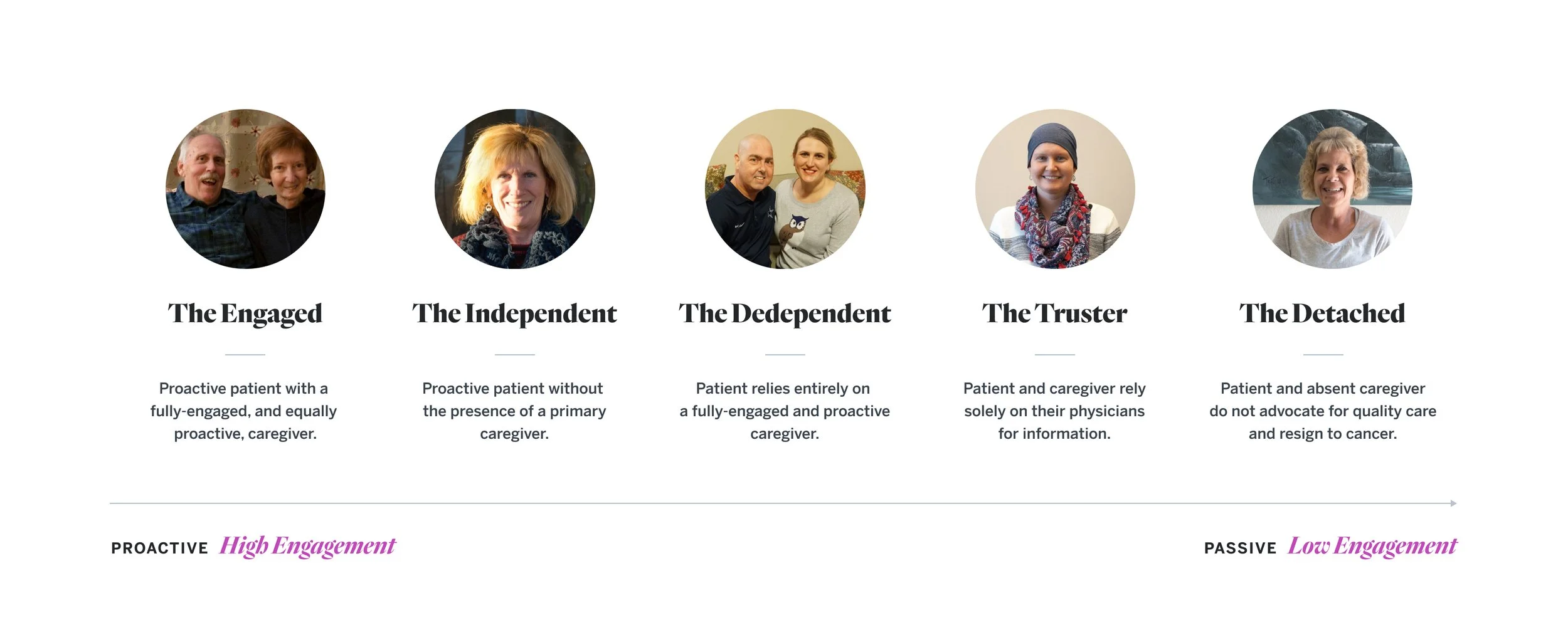
We developed five archetypes that described patterns of behaviors, common motivators, and key needs across the patient/caregiver relationship. The dynamics of this key relationship (or lack thereof) plays a big role in the patient’s cancer journey and overall care. By understanding the levels of engagement, proactivity, and desire for awareness of each of these actors, we are able to better understand who our solutions should target in order to increase Keytruda brand awareness and empower treatment choice.
Looking Ahead
In order to deliver a future-state strategy, we investigated likely evolutions in the oncology space and explored the business impacts these trends would have for Keytruda.
-
1. Opportunities will emerge as the pace and individualization of cancer therapy outstrip individual providers and sources, like the NCCN.
2. As cancer therapies become more personalized, the importance of pharma brand reputation will increase while the role of drug brands fades.
3. Mandated interoperability, scale-limited capabilities of dominant EHRs and condition-targeted offerings will induce the emergence of “shadow EHRs.”
-
4. As patients expect more from provider interactions, demand will grow for empathetic and respectful experiences that focus on quality of life.
5. “Medical expertise” will become more inclusive—positioning nurses as decision-makers and “patients like me” as a community of experts.
6. As the prominence of mental and emotional health increases, dedicated resources will become a standard constant of cancer care.
-
7. To become more patient-centered, providers will streamline their care-delivery processes and amplify the role of human and digital navigators.
8. Rising costs and “underinsurance” will create inequality of access to new therapies and increase pressures on price, or pay-for-results models.
9. healthTech will change care delivery by expanding access to early detection and expert monitoring, elevating the level of care available to everyone.
10. As pharmas differentiate via patient experience, new opportunities to bolster support ecosystems by building alliances with advocacy groups will emerge.
Defining Opportunities
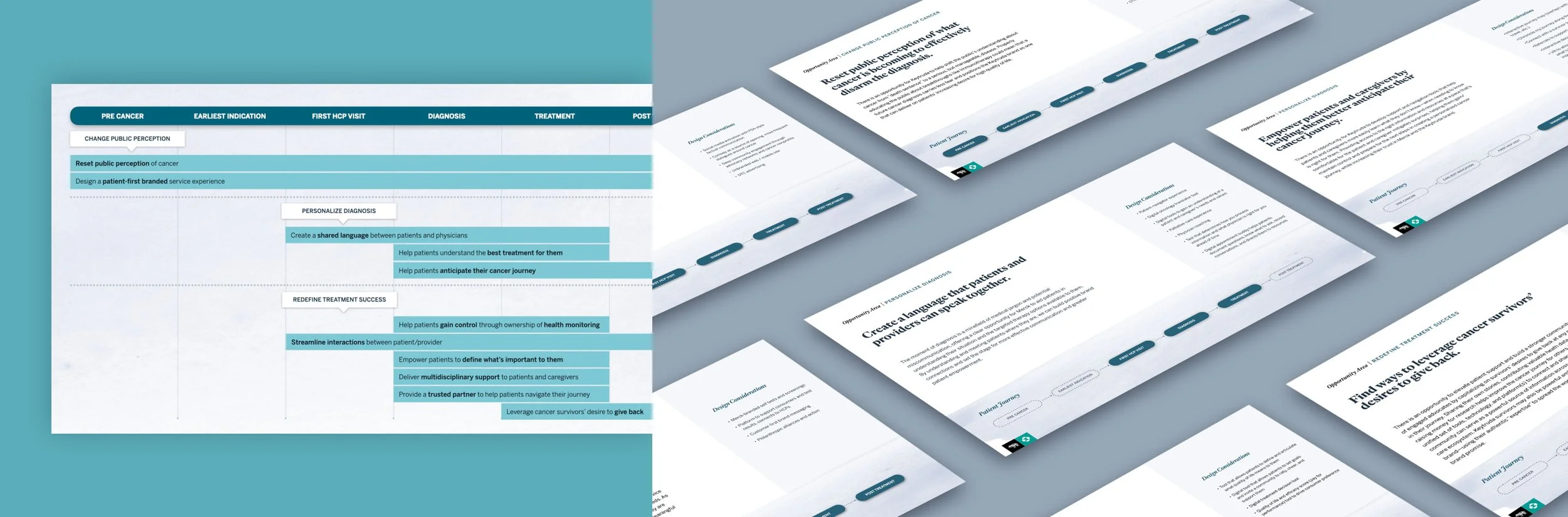
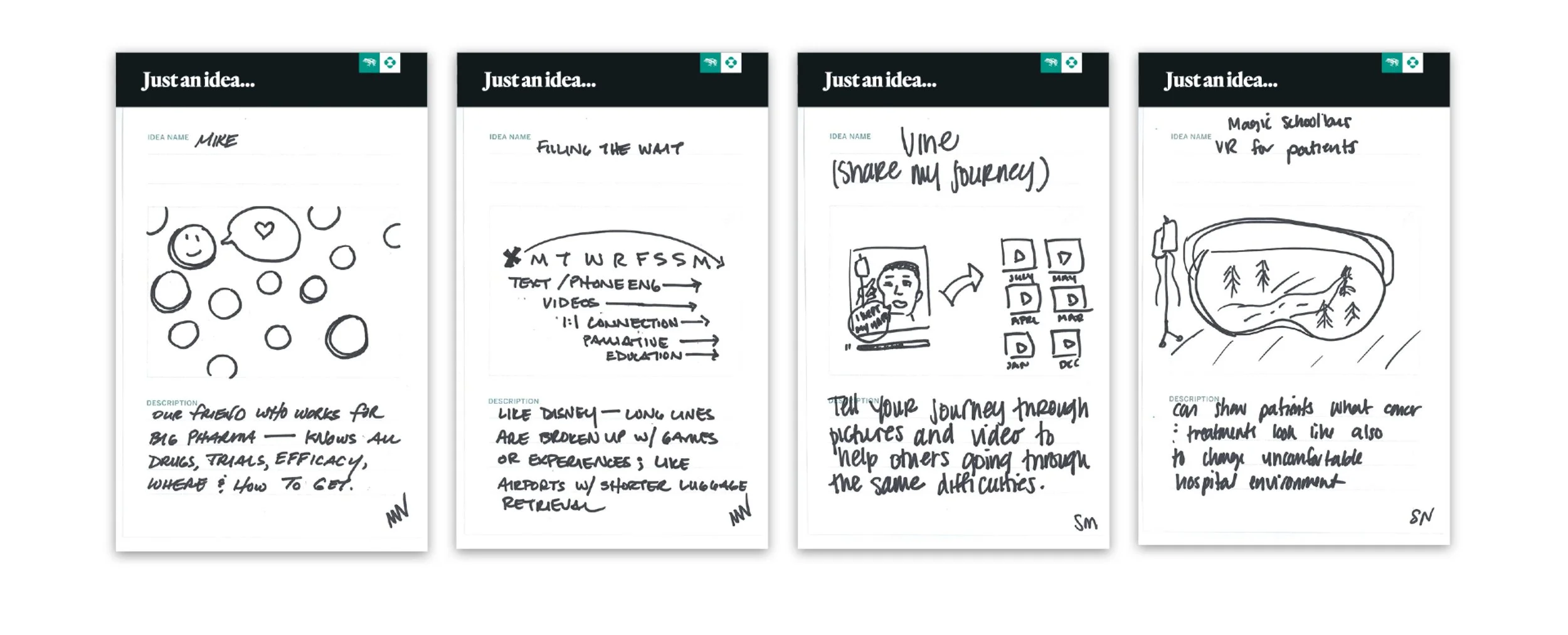
Opportunity areas indicate broad gaps in what cancer patients need throughout their journey. We studied our insights, archetypes, and trendscape to present 11 opportunity areas, and paired them with design considerations. We then ran a workshop with our stakeholders to inspire rapid concepting with the goal of capturing as man preliminary ideas as possible in raw format.
Delivery & Next Steps
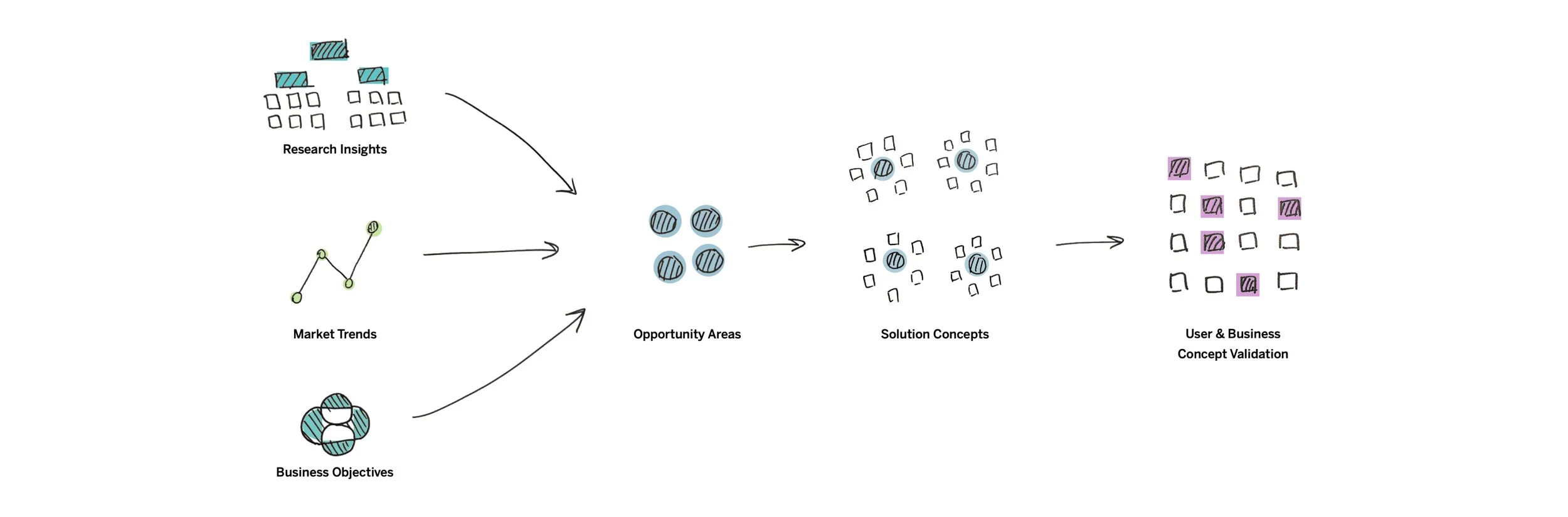
We leveraged the workshop output and further ideated to create 20-25 concepts across the patient and caregiver journey. Based on feedback from the Merck team, we further refined our process and deliver 8 concept directions to evaluate with users. Each concept included a problem statement, concept sketch, description, key features, target archetypes, and business value proposition.
This work was aimed to set up the team to conduct user and business validation as part of phase two.
Learnings & Takeaways
Leading such a large, and highly-charged research program was transformative for both my personal and leadership growth. Each survivor’s story has stayed with me through my career and has strengthened my commitment to deliver impact for users.
Build in time for complex research recruiting
Clients require extensive training before coming into the field
Holding space for someone’s story is both powerful and meaningful
Pay special attention to team needs on all healthcare projects